In the fast-moving world of virtual and mixed reality, Meta’s Project Phoenix continues to spark excitement and speculation among VR enthusiasts. Codenamed Puffin or Loma, this upcoming lightweight XR headset is positioned as a game-changer—offering a more comfortable, glasses-like form factor compared to current standalone devices like the Quest 3 or Quest 3S.
Slated for release in the first half of 2027, Project Phoenix aims to make extended mixed reality sessions feel effortless by shifting heavy processing to an external compute puck. As the Meta Quest ecosystem evolves amid recent industry shifts, this device could bridge the gap between immersive gaming headsets and everyday AR wearables.
Understanding Project Phoenix in Meta’s XR Roadmap
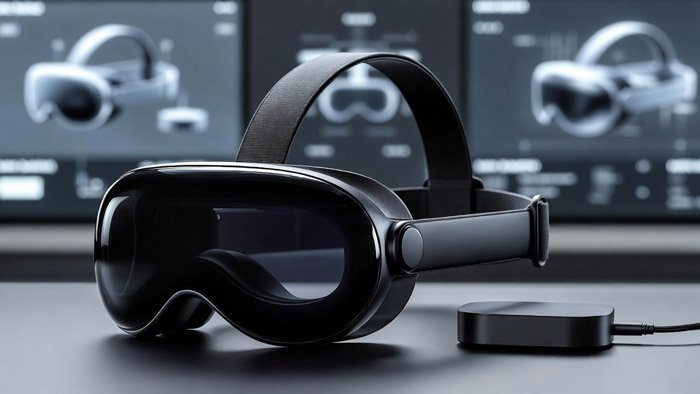
Project Phoenix is Meta’s next major step toward lightweight, user-friendly mixed reality. Unlike the self-contained Quest lineup, it features a tethered design where the headset remains ultra-light (rumored under 110 grams) while an external “puck” handles compute, battery, and heat management. This approach addresses long-standing VR complaints about weight and comfort during prolonged use.
Find Meta Quest Discount Codes at MetaQuestCodes.com
The device is expected to run on Horizon OS, ensuring full compatibility with the existing Meta Quest app library, games, and experiences. Early leaks position it as a premium mixed reality option—ideal for productivity, social VR, casual entertainment, and light gaming—rather than a direct competitor to high-power gaming-focused headsets. For context on Meta’s ongoing hardware strategy, check our earlier coverage of Meta’s broader VR plans and recent ecosystem updates as the company refines its direction.
Why the Release Slipped to 2027
Initially rumored for late 2026, Project Phoenix has been delayed to the first half of 2027. According to reports from sources close to Reality Labs, Meta is prioritizing a “polished” launch to avoid issues seen in past hardware rollouts. Internal adjustments, including budget realignments within the division, have contributed to the timeline shift.
This postponement gives Meta breathing room to integrate feedback from current devices and align Project Phoenix with upcoming releases like the more gaming-oriented Quest 4 (also expected in 2027). While frustrating for eager fans, the extra time could result in a more refined product. Stay tuned to metaquestnews.com for the latest on Meta’s hardware timeline as more details emerge.
Leaked Design Details: Lightweight Comfort First
The standout rumor around Project Phoenix is its ultra-lightweight build. Mockups and insider descriptions portray a sleek, goggle-style frame resembling bulky smart glasses, complete with high-quality video passthrough for true mixed reality overlays. By offloading processing to a pocket-sized puck, the headset avoids the bulk and heat of standalone units.
Key design highlights from leaks include:
- Weight significantly below current Quest models (potentially 100-150g range for the head unit).
- Advanced eye- and hand-tracking for controller-free interactions.
- Emphasis on natural fit for all-day wear, similar to how Ray-Ban Meta glasses have normalized lightweight AR.
This design philosophy could make Project Phoenix especially appealing for non-gaming use cases like virtual workspaces, immersive media consumption, or collaborative experiences—building on the foundation Meta has laid with Horizon Worlds and other apps.
Spec Rumors: Balanced Performance for Everyday XR
While full specifications remain under wraps, aggregated leaks suggest Project Phoenix will prioritize efficiency over maximum power:
- Displays — Micro-OLED panels with solid resolution tuned for battery life and comfort rather than ultra-high pixel density.
- Compute — Next-generation chip in the external puck, delivering performance beyond today’s Quest 3 while keeping the headset cool and light.
- Battery — Extended runtime thanks to the separate puck design.
- Features — Full MR passthrough, seamless Horizon OS integration, and potential for advanced spatial computing tools.
- Pricing — Early estimates place it in the $900–$1,100 range, positioning it as a premium yet more accessible alternative to devices like Apple Vision Pro.
These specs indicate Meta is targeting a sweet spot: powerful enough for compelling XR but wearable enough for daily use. For comparison, see our ongoing coverage of how current Quest models stack up in performance and comfort.
Project Phoenix vs. the Competition
Project Phoenix enters a crowded but maturing XR market. It shares conceptual DNA with Apple’s tethered Vision Pro (external battery) but aims for far lower weight and price. Competitors like Pico are also exploring lightweight, puck-based designs, signaling an industry trend toward comfortable, all-day MR.
Meta’s key advantage remains its massive Horizon OS ecosystem—millions of users, thousands of apps, and established social features. If Project Phoenix delivers on comfort and polish, it could accelerate mainstream XR adoption, much like the original Quest did for standalone VR.
What This Means for Meta Quest Owners
For current Quest users, Project Phoenix represents evolution rather than replacement. It expands Meta’s lineup: Quest series for standalone gaming and value, Phoenix for premium lightweight MR. The delay to 2027 provides time to enjoy existing devices while watching for prototype reveals or “Malibu 2” teasers in the meantime.
As Reality Labs navigates challenges and focuses on quality, Project Phoenix could mark a pivotal moment—proving that extended reality doesn’t have to be heavy or niche.
Wrapping Up: Keep Watching This Space
Project Phoenix rumors paint an exciting picture of the future: lighter, more comfortable XR that fits seamlessly into daily life. While we await official confirmation at future Meta events, the leaks suggest Meta is serious about making mixed reality accessible and enjoyable for everyone.
Follow metaquestnews.com for real-time updates, in-depth analysis, and the latest Meta Quest developments as 2027 approaches. Whether you’re a dedicated VR gamer or curious about mixed reality’s potential, Project Phoenix could be the device that changes everything.